Bottleworks Phase II Expansion and Condo Buyers Near Mass Ave
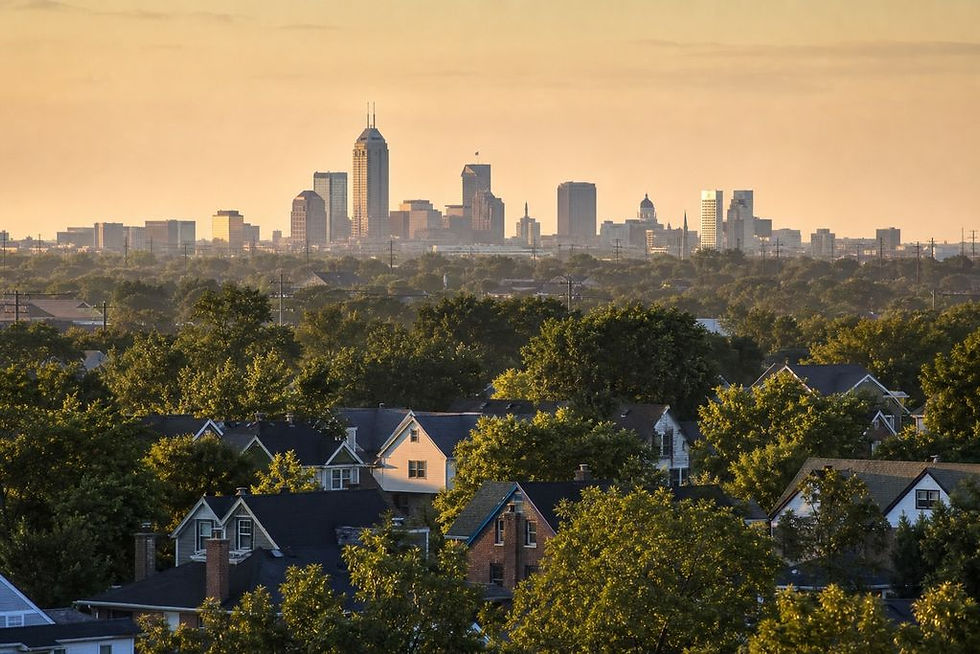
Bottleworks Phase II is a nearly $100 million expansion focused on office and commercial space, not new residential units. For condo and loft buyers near Mass Ave, the most likely effects are more walkable amenities and nearby employment, not a surge in competing residential inventory.
How will the Bottleworks Phase II expansion affect condo and loft buyers near Mass Ave?
The Bottleworks Phase II expansion is a nearly $100 million commercial development adding roughly 250,000 square feet of office and retail space to the Bottleworks District. For buyers considering condos, lofts, or townhomes in the Bottleworks/Mass Ave corridor, the key implication is that Phase II adds employment and amenity density without adding competing residential inventory, which makes the surrounding neighborhood more attractive without flooding the market with new units.
Key Takeaways
The Bottleworks Phase II expansion is a nearly $100 million investment in roughly 250,000 square feet of office and commercial space, with no residential units in the revised plan.
The median sale price for Downtown Indianapolis condos and lofts is $350,000, with a median of 58 days on market, based on recent local market data trailing approximately 90 days as of October 2026.
Phase II removed a previously contemplated residential component, meaning buyers near Mass Ave face no new competing supply from the expansion itself.
The most likely buyer-facing effects are more walkable dining and retail, increased nearby employment, and improved public-realm connections, not a verified price spike that can be attributed directly to Phase II.
Buyers who want to know how Phase II is actually moving the needle on specific streets need current, address-level market data, not projections from the project's investment figure.
What is actually being built in Bottleworks Phase II, and does it include housing?
No, Phase II does not include residential units. That is the single most important fact for buyers to get straight before making a decision.
According to the Indianapolis Business Journal, the Phase II plan shifted away from the residential component that appeared in earlier Bottleworks concepts. The revised plan concentrates the nearly $100 million investment on office space, with most of the roughly 250,000 square feet of leasable area devoted to commercial and office tenants. Indianapolis Monthly reported that the developer told city officials as early as 2021 that housing would not be part of the new Phase II structures.
For buyers, that distinction matters. The expansion is not adding a wave of new condos or apartments that would compete with what is already available on the market. It is adding office tenants, retail, and dining, which changes the neighborhood's character and employment density without changing its residential supply picture.
I walk my clients through this distinction every time a major development announcement hits the news. The headline number, nearly $100 million, sounds like it should move the market in an obvious direction. But what is actually being built determines whether that movement is supply-side, demand-side, or mostly an amenity story. In this case, it is largely an amenity and employment story.
What the Phase II footprint means for walkability
More office workers and more retail destinations in a dense urban district generally translate to a more activated streetscape. That means more foot traffic on the streets connecting Bottleworks to the Mass Ave corridor, more restaurant and shop options within walking distance, and a stronger case for car-light living in the condos and lofts nearby.
According to the EPA's Smart Growth research, mixed-use districts with walkable employment centers tend to command a price premium over comparable suburban locations, though the size of that premium varies considerably by market. Indianapolis has been building toward that kind of density in the Bottleworks corridor for several years, and Phase II accelerates that trajectory.
The neighborhoods within comfortable walking distance of Bottleworks include the core of the Mass Ave corridor, Cottage Home, Holy Cross, and parts of Lockerbie Square. Buyers in those areas are already benefiting from the Phase I amenities, and Phase II extends that footprint.
What do current market conditions look like for buyers near Bottleworks?
Recent local market data for Downtown Indianapolis, trailing approximately 90 days as of October 2026, shows a median sale price of $350,000 and a median of 58 days on market. Active listings stand at 129, with 24 new listings added in the last 30 days and 41 homes sold over the trailing 90-day period.
Those are area-level figures. An individual condo or loft's value depends on its specific building, floor plan, condition, finishes, and proximity to the amenities that buyers in this corridor are actually paying for. The verified data does not isolate Bottleworks-adjacent streets from the broader Downtown Indianapolis area, so I would not advise any buyer to make an offer based on a single area median without pulling address-level comparables first.
For context, here is how Downtown Indianapolis compares to other Indianapolis Metro neighborhoods where condos and lofts trade actively:
Area | Median Sale Price | Median Days on Market |
Downtown Indianapolis | $350,000 | 58 |
Broad Ripple | $361,000 | 52 |
Fountain Square | $331,400 | 29 |
Irvington | $211,450 | 39 |
Garfield Park | $161,000 | 32 |
Fountain Square's 29-day median is notably faster than Downtown's 58 days, which reflects both price point and buyer demand in that corridor. Buyers who are flexible on exact location within the broader urban core have real options across these neighborhoods, and understanding how each one is moving right now is worth the conversation before you commit to a search area.
What I cannot tell you from the available data is whether Phase II has already produced a measurable price increase or faster absorption on the specific streets closest to Bottleworks. That claim requires current, address-level sales data from the MLS, not an inference from the project's investment figure. If you want to know what is actually happening on a block-by-block basis, that is exactly the kind of analysis I run for clients before they make an offer.
Is this a good moment to buy near Bottleworks?
October sits outside the spring and summer peak activity windows, which historically means less competition from other buyers and more negotiating room on price and terms. The National Association of Realtors tracks seasonal demand patterns nationally, and fall tends to favor buyers who are ready to move while others have stepped back.
That said, timing the market around a development catalyst is a different question than timing the season. The stronger argument for buying near Bottleworks now is that Phase II's office and retail tenants are coming online in a district that was already attracting significant buyer interest, and the residential supply in the immediate corridor is not expanding to match. Whether that dynamic has already been priced in, or whether there is still runway for appreciation, is a question your specific target building and street will answer, not the district-level headline.
The CFPB's homebuying resources are a solid starting point for first-time buyers getting oriented on the process. For buyers already familiar with how transactions work and focused on this specific corridor, the more useful conversation is about what the comps actually show on the buildings you are considering.
Every situation is different, and the only way to know whether a specific condo or loft is priced right relative to Phase II's trajectory is to run the numbers with someone who knows this market. That is what I do with every client before we write an offer.
Before you tour, I also want to flag one practical consideration: the office-heavy nature of Phase II means more weekday foot traffic and potentially more parking pressure in the district during business hours. The Indianapolis Department of Public Works and the city's ongoing downtown mobility planning are worth monitoring if parking access is a factor in your decision. Some buildings in this corridor include dedicated parking; others rely on street or garage options that will feel different once Phase II is fully occupied.
For buyers thinking about long-term investment value, the Indianapolis Department of Metropolitan Development publishes planning documents that give a fuller picture of what is approved and under review in the corridor, beyond what any single development announcement covers.
The MIBOR Realtor Association is the local MLS authority for the Indianapolis Metro market and the source for the most current closed-sale data in any specific neighborhood. When you are ready to get serious about a building or a block, pulling a custom comparable analysis from the MLS is the step that turns a general market picture into a real decision.
See what other buyers and sellers in Indianapolis say about working with Stone & Gable Realty on Google Reviews.
Frequently Asked Questions
Is Bottleworks Phase II adding apartments or only offices and retail?
Phase II is adding office and commercial space only. The revised plan removed a previously contemplated residential component, so buyers near Mass Ave will not see new competing condo or apartment inventory from the Phase II buildings themselves. That distinction matters for anyone trying to understand whether the expansion changes the supply picture for nearby residential properties.
Will Bottleworks Phase II raise condo prices near Mass Ave?
More nearby employment and more walkable amenities are the kinds of factors that support demand for urban condos and lofts, but a verified, Phase II-specific price increase has not been established in the available data for the Bottleworks/Mass Ave corridor. Whether that effect has already been priced in, or whether it is still unfolding, depends on the specific building and street. A current comparable analysis is the right tool for that question, not a projection from the project's investment figure.
Are condos and lofts near Bottleworks a good investment after Phase II?
The fundamentals that support urban condo investment, walkable amenities, employment density, and limited competing supply, are all moving in a favorable direction in this corridor. Phase II adds office tenants and retail without adding residential units, which means demand-side pressure without a matching supply increase. Whether a specific unit is a good investment depends on its price relative to current comps, its building's financials, and your own hold horizon, all of which I can walk you through before you make an offer.
Which Indianapolis neighborhoods are within walking distance of Bottleworks?
The Mass Ave corridor, Cottage Home, Holy Cross, and parts of Lockerbie Square are all within comfortable walking distance of the Bottleworks District. Each of those neighborhoods has its own price range, inventory level, and market pace, so buyers who are flexible on exact location have meaningful options to compare before narrowing a search.
How will the new Bottleworks offices affect traffic and parking near Mass Ave?
More office workers in the district will increase weekday vehicle and pedestrian traffic, and parking demand in nearby garages and street spots will likely grow during business hours. Buyers considering condos or lofts in the immediate area should evaluate whether their target building includes dedicated parking, and check the city's downtown mobility planning for any infrastructure changes planned alongside the expansion.


Comments